موسوعة المعلم والتلميذ موارد تعليمية للمعلم والتلميذ

مرحبا بكم في موسوعة المعلم والتلميذ

فضاء تعليمي يجمع الدروس والتمارين والاختبارات والموارد المدرسية للمعلمين والتلاميذ.

📘السنة الأولى 📗السنة الثانية 📙السنة الثالثة 📕السنة الرابعة 📔السنة الخامسة 📒السنة السادسة
📰آخر المقالات
جاري تحميل آخر المقالات...
أحدث المقالات

conte cendrillon pour les enfants accompagné de questions de compréhension

قصص للاطفال


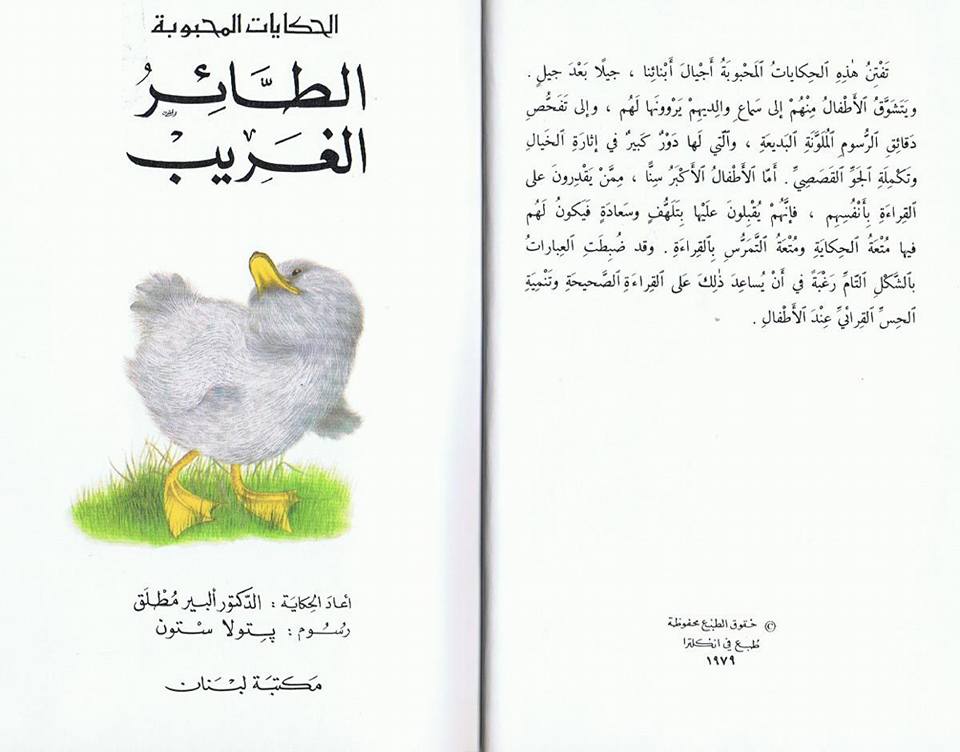
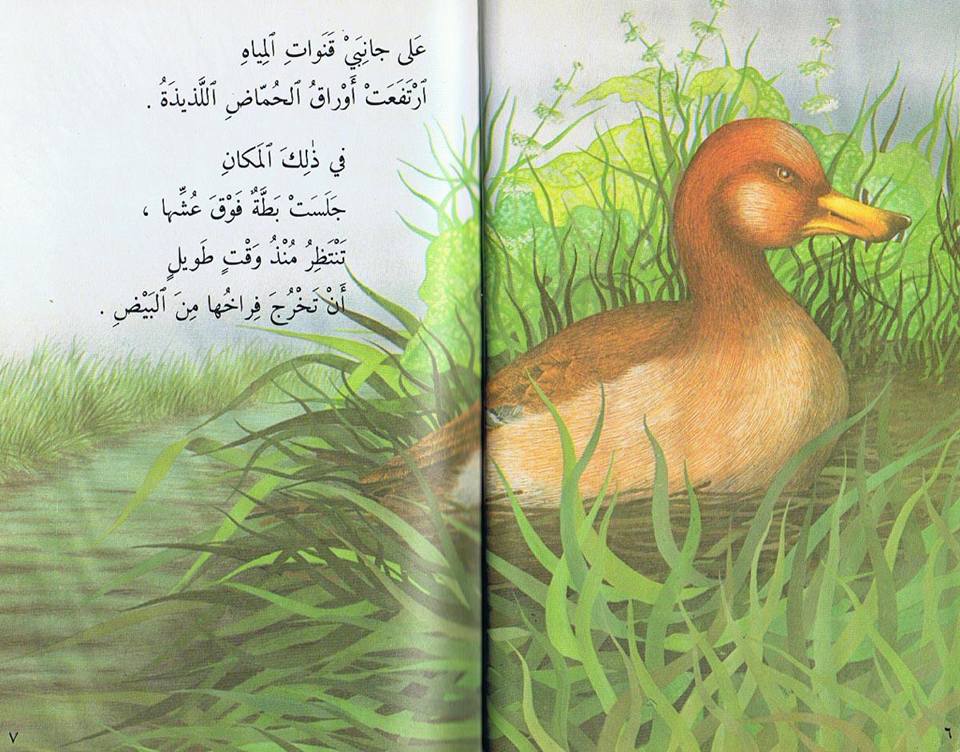
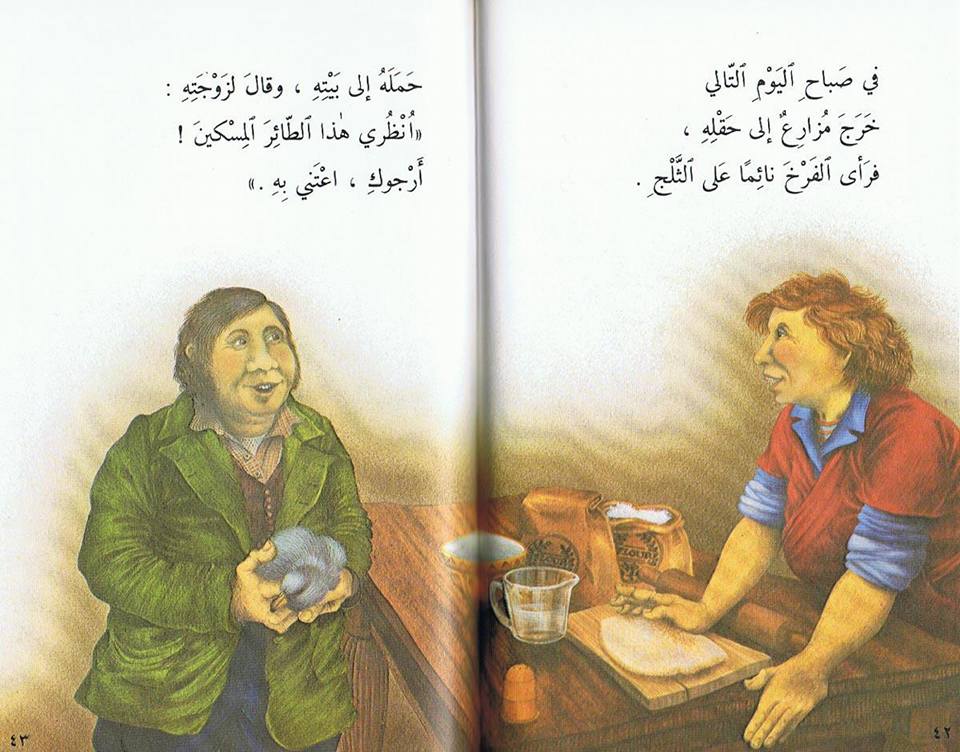
قصة الطائر الغريب

تقييم الخط والاملاء وقواعد اللغة والحساب الذهني والمحفوظات بالمرحلة الابتدائية

موسوعة الحيوانات بحث عن مجموعة هامة من الحيوانات حمل برابط واحد

ponctuation in english improve your english

ponctuation in english improve your english
Punctuation Mark
Use to...
( . ) Period
End a sentence: Dinner was delicious.
( ? ) Question Mark
End a sentence and denote inquiry: What time is it?
( ! ) Exclamation Point
End a sentence and denote excitement or emphasis: Watch out for that tree!
( , ) Comma
Denote a break within a sentence or direct address of a person or group: Mary, listen to me.

Separate any of the following:
- Two or more adjectives: He is a charming, attentive listener.
- Items in a list: Please buy eggs, milk, butter and flour.
- The name of a city from the name of a state: I live in Salt Lake City, Utah.
- Two independent clauses: The waiter still hasn’t taken our order, and the play starts in five minutes.
- Direct quotations: Quoth the raven, “Nevermore.”
( ; ) Semicolon     
Separate two related but independent clauses: I asked Anne to look at my computer; she has a knack for them.

Separate a series of items that already contain commas:
- For our wedding colors, I chose white, the color of innocence; red, the color of passion; and yellow, the color of lemons.
- I have lived in Detroit, Michigan; Paris, France; and Sydney, Australia.

( : ) Colon
Introduce a list.
For Christmas, I would like the following presents: a hula hoop, a hippopotamus, and my two front teeth.

Introduce a statement that expands upon the clause before the colon.
And so, my fellow Americans: ask not what your country can do for you—ask what you can do for your country.
( - ) Hyphen
Add a prefix: Trans-Atlantic flights are costly.

Create compound words: Spider-Man is my favorite superhero.

Write numbers as words: I have lived in this house for thirty-three years.
(– or —) Dash
Make a brief interruption within a sentence or a parenthetical phrase: Johnny asked me—with a straight face, I might add—if he could borrow the car for the weekend.
( “ ) Double Quotation
Enclose a direct quotation: “If you pick up a starving dog and make him prosperous, he will not bite you. This is the principal difference between a dog and a man.”
( ‘ ) Single Quotation
Denote possession: I believe that is Allen’s pen.

Denote contraction: I know it’s his because of the distinct monogram.

Denote a quotation within a quotation: He told me just last week, “I do enjoy this monogrammed pen. My wife said, ‘Allen, it isn’t like people go around mistaking your pens for theirs all day.’”
( ( ) ) Parentheses
Indicate clarification: Please bring home some real butter (as opposed to margarine).

Indicate an afterthought or personal commentary: Anyone can edit Wikipedia (not that there’s anything wrong with that).

مسرحية وطني هو المجد للاطفال


مسرحية طريفة للاطفال بها من معاني الوطنية الكثير اترككم معها عساها تكون لكم خير معين 
 يفتح الستار على مجموعة من الشباب وهم جالسون ثم يدخل عليهم محمد ويدور الحوار التالي )

محمد : سلام بشكة على مركاز            مركازكم زادت أنواره

خالد :   سلام صاحبي على معكاز        صاحبي غيبت أخباره
            هلا أبو حميد . كيفك .
محمد : بخير . كيفكم وش أخبار الشلة .
خالد : مبسوطين وما عليهم .
محمد : ايش عندكم اليوم من علوم الرجال .
خالد : كلها عندنا . وش تبى منها .
         ( يلتفت محمد إلى حسين ويخاطبه )
محمد :  وش عندك يا بو علي .
حسين : والله أنا في رأسي شيء لو توافقوني عليه .
محمد : قول . ما يجي  منك إلا كل ما يعجب الشلة .
حسين : وش رأيكم . كل واحد يقول أمانيه في الحياة .
محمد : والله رأي . وش رأيكم يا جماعة .
الجميع : تم يابو علي . وأنت اللي يبدأ .
حسين : أن أتمنى يا شباب أن اشتري لي نبالة ، وأقوم برمي كل اللمبات الموجودة في الشوارع وأكسرها .
محمد: وليه يا بو علي .
حسين : بطره ، عشان عمال شركة الكهربة يشتغلون .
( يردد حسين ويردد البقية معه )     ولمبتي يا لمبة           أوووووووه يا لمبة .
خالد : أما أنا اتمنى كتابة اسمي على جميع الأماكن العامة بخط عريض .
محمد : وليه يا بو خلود . وش الفايدة .
خالد : عشان الناس كلهم يعرفوني ، ويعرفون إني أكبر مشكلجي في الحارة
( يردد خالد ويردد معه الجميع )    عمي يا خطاط قم شد الحمولي         على جسر حسان يا ويل حالي
سعد : أما أنا في رأسي مشروع كبير .
محمد : وش هوه قول .
سعد : أتمنى أن أقوم بتكسير كل الحدائق والأشجار والملاهي
محمد : وليه يا بو سعود .
سعد : كذه بطره .
محمد : بس لابد من سبب .
سعد : بصراحة ما فيه سبب ولكن البطرة .
صالح : أما أنا أُمنيتي تختلف عن الجميع .
محمد : قول يا بو صلوح . ما أظن هناك أماني أقبح من اللي قالوها الشباب .
صالح : أُمنيتي إن كل مواطن يرمي النفايات وعلب العصير من شبابيك السيارات . ولا يحطونها في الحاويات والصناديق
محمد : وليه يا بو صلوح وش الفايده .
صالح : عشان عمال البلدية يشتغلون ، ولا ينامون ، فقد رأيتهم بأُم عيني وخالة عيني وجماعة عيني كلهم . رأيتهم نائمون . وبرضه عشان اتحس بالحرية .
محمد : كفاية يا شباب . كفاية . كفاية . إيش هذا .
           معقوله هذا الكلام يصدر من شباب متعلم ، وفاهم مثلكم . كيف تفكرون في هذه الأشياء القبيحة .
حسين : وليه يا بوحميد . ليه يا صاحبي .
محمد : تعرف إن هذه الأشياء دليل على عدم الوعي بحب الوطن .
خالد : واحنا تكلمنا في الوطن والا  جبنا سيرة  .
محمد : ليعلم الجميع أن الوطن لا يعني الأرض التي نعيش عليها فقط . لكن الوطن هو الأرض ، هو المشاريع ، هو المباني  هو كل ما  هو موجود على هذه الأرض الحبيبة الغالية .
( يلتفت محمد إلى حسين ويقول له ) : يا بو علي لو كسّرت مصابيح الإضاءة  فأنت تسئ لهذا الوطن المعطاء . وكذلك أنت يا خالد وأنت يا سعد وأنت يا صالح ، أعمالكم  كلها تسئ للوطن
خالد : بس احنا نحب الوطن .
محمد : ممكن تقولي ما معنى حب الوطن عندك .
خالد : حب الوطن الدفاع عنه .
محمد : نعم يا خالد الدفاع عن الوطن هو أساس المحبة  للوطن ، لكن الحب الحقيقي للوطن هو أكبر من ذلك .
حسين : وكيف يا بو حميد .
محمد : الحب الحقيقي للوطن هو الدفاع عنه والمحافظة على مكتسباته . وليعلم الجميع أننا في هذا الوطن محسودون .
صالح : محسودين  !  كيف يا بو حميد  ؟ .
محمد : نحن نعيش على أرض عاش فيها محمد صلى الله عليه وسلم  . أرض احتظنته حياً وميتاً . أرض فيها الحرمين الشريفين . أرض السلام . أرض الأمن والأمان . والعالم كله ينظر إلينا بعين الحسد . وقد من الله علينا بخيرات كثيرة .
سعد : طيب وش المطلوب منا .
محمد : المطلوب المحافظة على مكتسبات الوطن وخيراته . وعدم العبث بها وكذلك التفاني في حبه والافتخار بكوننا سعوديين .                    والشاعر يقول ( ارفع رأسك أنت اسعودي )
أرضنا هي أرض المجد . نفتخر بها وندفع دماءنا في سبيل الحفاظ عليها والدفاع عنها . وقد قيل في الأثر
   " حب الوطن من الإيمان "  فلنكن يداً واحدة في سبيل  الدفاع عن الوطن وقلباً واحداً في حب الوطن . كل حسب استطاعته وموقعه ولنردد دائما " وطني  . وطني  هو المجدُ هو المجدُ "  ( ثم يردد الجميع وطني . وطني هو المجدُ هو المجدُ )
                              ( ثم يغلق الستار ) وتنتهي المسرحية نص صغير لك انت ايها الصغير لك ان تستمتع به

مسرحية وقت الفراغ للاطفال


مسرحية شيقة للاطفال
المشهد"غرفة منزلية لطفل بها طاولة عليها تلفاز وبعض الكتب وساعة ودولاب علية مجموعة من الكتب وبعض الألعاب وكرة قدم وكنبة"
"

يفتح الستار محمد ينهي واجباته ويدخل كتبه في الدرج وينظر إلى الساعة وهو متضجر"
محمد : أف الساعة الرابعة والنصف .. ماذا افعل من الآن وحتى أنام الساعة العاشرة؟.. 
إيه ما هذا الملل؟
مسرحية شيقة للاطفال
"
يرمي بنفسه على الكنبة,ويرفع بصره إلى الألعاب مبتسما "
:
لألعب قليلا 

"
يأخذ الألعاب ويلهو بها قليلا متضجرا ثم لا يلبث أن يقذف بالألعاب"
:
أف.. إيه ..أف.. ما هذا الملل ؟ ما ذا أفعل يا ربي؟ 

"
يظهر من خلف الكرة تلميذ يمثل الكرة ويسأل محمد"
الكرة: ما بك ؟ .. لماذا أنت غاضب؟
محمد: إنني لا أعلم .. ماذا أفعل في وقت فراغي؟
الكرة: تعال ولعب معي في الشارع .
محمد: لا أستطيع .. فقد وعدت أبي أن لا أذهب إلى الشارع .. ولا ألعب بالكرة إلا في أيام الإجازة.
الكرة: إذا .. لنلعب هنا.
محمد: لا .. لا أستطيع لأن أمي ستغضب لو أنكسر شيء .. لا لن ألعب معك .. أريد شيء آخر أقضي به وقت فراغي.

يقفز طفل من خلف التلفاز يمثل التلفاز
التلفاز: أنا الحل الوحيد .. أنا الممتع .. أنا المسلي .. افتحني وأنضر ماذا في داخلي من برامج ممتعة .. ومسلية ؟
مسرحية شيقة للاطفال
"
يأخذ محمد جهاز التحكم ويحاول تشغيل التلفاز .. يخرج من خلف المكتبة تلميذ يمثل دور 
الكتاب فيقف حايلا بين التلفاز ومحمد"
الكتاب: مهلا يا محمد .. ماذا تفعل؟ أترك جهاز التلفاز.. وتعال أقضي وقت فراغك معي .. فأنا فوائدي أكثر وأفضل من فوائد التلفاز .

يتدخل التلفاز ويدفع بالكتاب بعيدا .. ثم يمسك بكتفي محمد
التلفاز: دعك منه .. لا تذهب معه فالجلوس معه ممل .. تعال معي لتستمتع.
الكتاب يخاطب التلفاز: انك حقا لجاهل ألا تعلم أن المتنبي قال فيّ:
أعز مكان في الدنى سرج سابح وخير جليس في الزمان كتاب
فأنا نعم الأنيس في ساعة الوحدة .. وعائي ممتلى علما وظرفا .. مزحا وجدا .. قيل عني "شجرة تؤتي أكلها كل حين .. زهرها لا يذبل.. وثمرها لا يفنى" .. فلماذا تبتعد عن صحبتي .. وأنا صديق ورفيق تملني ولا أملك .. إذا طلبتني أجبتك .. وان احتجتني أعطيتك ..إذا قراءتني رفعت في الناس قدرك .. إذا ألفتني خلدت على الأيام ذكرك 
فمن ستجد مثلي يعطيك كل هذا .. تعال يا صديقي وخذني بين يديك لآخذك بين أحضان صفحاتي .. امنحني وقتك .. وسوف أعطيك بحورا من العلم وأفتح لك آفاق من المعرفة.

محمد: صدقت يا كتابي .. أنت أفضل صديق .. فأكرم بك من صاحب وأعزز بك من رفيق .. بين صفحاتك وجدت المتعة .. والسرور .."ويحتضن الكتاب " فلن أفارقك بعد اليوم أبدا
مسرحية شيقة للاطفال

كتاب موجز التاريخ العثماني

هذا الكتاب هو موجز التاريخ العثماني يمثل ترجمة دقيقة لاهم الاحداث والمراحل التي نشات فيها الدولة العثمانية وتوسعت وذاع صيتها ويقدم لنا اسباب التصدع والانهيار كتاب قيم يساعدك على تعرف الدولة العثمانية كامبراطورية ضمت الاقاليم السبعة وانطلقت بقبيلة صغيرة مسلمة 


قصة للاطفال الملك المسحور

نقدم لكم في اطار سعينا الدائم لتحسين الزاد المعرفي للتلميذ والطالب مجموعة من القصص الشيقة والهادفة التي تساعد ابناءنا على مزيد التعلم وتوسيع الزاد المعرفي.قصة اكثر من رائعة لطفلك تساعده على تنمية مهاراته في الكتابة وفتح افاق القراء 
والقراءة عالم مثير تجد فيه ضالتك ايها الطفل فلا تبخل بمتابعهة وةقراءة هذه السلسلة من الكتب الفريدة نشكر كل من ساهم في انحاز هذا العمل ونتمنى ان نكون عند حسن الظن شكرا لاهتمامكم احبتي فلا تبخلوا علينا بمقترحاتكم وسنحاول مدكم بالجديد دائما


قصة للاطفال الرفيق المجهول

نقدم لكم في اطار سعينا الدائم لتحسين الزاد المعرفي للتلميذ والطالب مجموعة من القصص الشيقة والهادفة التي تساعد ابناءنا على مزيد التعلم وتوسيع الزاد المعرفي.قصة اكثر من رائعة لطفلك تساعده على تنمية مهاراته في الكتابة وفتح افاق القراء 
والقراءة عالم مثير تجد فيه ضالتك ايها الطفل فلا تبخل بمتابعهة وةقراءة هذه السلسلة من الكتب الفريدة نشكر كل من ساهم في انحاز هذا العمل ونتمنى ان نكون عند حسن الظن شكرا لاهتمامكم احبتي فلا تبخلوا علينا بمقترحاتكم وسنحاول مدكم بالجديد دائما


قصص للاطفال جنّة حسان

قصة جنة حسان قصة ممتعة للاطفال عند تصفحك لها وقراءتها ستدرك جميل معانيها وبديع اهدافها وهي مرفقة بصور جمبلة ومعبرة تحاول هذه القصة التعريف بقيمة العمل واهميته في حياتنا 


ORTHOGRAPHE 4

On va voir dans ce document de quarante articles les règles de bases de la langue française au niveau de l'orthographe 

17-- on / on n’
Règle 1 : Pour distinguer on de on n’ , il suffit de mettre le verbe à une autre personne pour voir s’il est à la forme négative ou positive.
Exemples on : On entend du bruit (nous entendons du bruit). On entend mal (nous entendons mal) On entend bien (nous entendons bien). On allume le feu (nous allumons le feu).
Exemples on n’ : On n’entend pas (nous n’entendons pas). On n’entend guère (nous n’entendons guère). On n’entend plus (nous n’entendons plus). On n’allume jamais (ils n’allument jamais).

18-- ou / où
Règle 1 : Si je peux remplacer par « ou bien », j’écris ou ; sinon, j’écrisoù.
Exemples ou : C’est toi ou lui (C’est toi ou bien lui). Une pomme ou une poire (Une pomme ou bien une poire).
Exemples où : Où vas-tu ? Ou bien vas-tu ? (impossible). Où veux-tu en venir ? Ou bien veux-tu en venir ? (impossible). La source où buvaient les troupeaux est tarie. La source ou bien buvaient… (impossible).
19-- peu peux / peut
Règle 1 : J’écris peu quand ce mot signifie « pas beaucoup ». Autrement, c’est le verbe pouvoir : peux, peut
Exemples peu : J’ai peu d’argent en poche. Il est très peu bavard.
Exemples verbe pouvoir : Tu peux venir avec moi. Je peux t’aider. Il peut t’aider ?

20-- quand / quant / qu’en
Règle 1 : on utilise toujours quand, sauf devant à, au, aux (quant)
Exemples quand : Quand serez-vous à Genève ? Quand je pars en Italie, j’emporte des lires.
Exemples quant : Quant à toi, tu ne perds rien pour attendre. Quant aux lettres écrites, elles seront classées. Quant au corbeau de la fable, il fut bien attrapé.
Règle 2 : Qu’en est suivi d’un verbe et le en signifie « de cela »
Exemples : Qu’en penses-tu ? Qu’en est-il de ta récente demande ? Il faut se moquer du qu’en-dira-t-on.

21-- quel / quelle quels / quelles qu’elle / qu’elles
Règle 1 : Quel, quels, quelle, quelles sont accompagnés d’un nom.
Exemples : Quel train prends-tu ? Quelle règle difficile ! Quels beaux discours avons-nous entendus ! Quelles idées lui mets-tu dans la tête ?
Règle 2 : qu’elle et qu’elles sont suivis d’un verbe.
Exemples : Il ne faut plus qu’elle sorte seule. Je me rends bien compte qu’elles feront ce qu’elles veulent.

22--sens / sent s’en sans cent sang sens  | tends / tend t’en tant
s’en et t’en : doubles pronoms qui peuvent indiquer un lieu ou un objet (on peut les reconnaître en conjuguant).
sens ou sent : verbe sentir.
tends ou tend : verbe tendre.
sans : signifie « pas de ».
sang est un nom.
cent = 100.
sens est un nom (donner de sens à sa vie).
tant : signifie autant, pareillement, tellement.

23-- si s’y -ci / ci- scie
Règle 1 : Lorsqu’on peut conjuguer : s’y. Autrement toujours si, sauf quand on peut désigner quelqu’un ou quelque chose : -ci + la note si de la gamme : do – si – la – sol…
Exemple si : Si je peux… Tu es si grand !
Exemple s’y : il s’y rend. Je m’y rends !
Exemple –ci : celui-ci, ci-dessous. Comme ci, comme ça.
Règle 2 : la scie est un nom (objet pour couper du bois) et il existe le verbe scier.
Exemples : La scie du charpentier (l’objet). Je scie une poutre (le verbe).

24-- ap / app-
Règle 1 : J’écris toujours app-
Exemples : Appartenir, appeler, apprendre, etc…
Exceptions : Apaiser, apathique, apercevoir, apéritif, s’apitoyer, aplanir, aplatir, apostropher.

25# mb / mm / mp
Règle 1 : Devant les lettres b, m, p, j’emploie m (et non n).
Exemples : Le temps, l’ensemble, emmener…
Exceptions : Bonbon, bonbonne, bonbonnière, néanmoins, embonpoint

26--  s / ss / z / x
Règle 1 : le son /s/ prend toujours 2 consonnes (soit ss , soit s combiné avec une autre consonne). Le son /z/ prend toujours 1 consonne.
Exemple son /s/ : Assez penser pinson triste
Exemple son /z/ : Oser causer cuisine hésiter
Exceptions : gaz gazon horizon douze bizarre dizaine

27-- Pluriel général des noms et des adjectifs (-s, -x, -z)
Règle 1 : en général, on forme le pluriel des noms et des adjectifs en ajoutant s ; s’ils sont déjà terminés par -s, -x ou -z , ils ne changent pas au pluriel.
Exemples : Un classeur, des classeurs. Un livre, des livres. Un tapis, des tapis. Une noix, des noix.
Pluriels particuliers : Un aïeul, des aïeux. Un ciel, des cieux. Un oeil, des yeux.

28-- Pluriel des noms en -ail
Règle 1 : Ils prennent s au pluriel.
Exemples : Un rail, des rails. Le détail, les détails.
Exceptions : Un bail, des baux. Un corail, des coraux. Un émail, des émaux. Un soupirail, des soupiraux. Un travail, des travaux. Un vantail, des vantaux. Un vitrail, des vitraux.

29-- Pluriel des noms et des adjectifs en -al
Règle 1 : Ils forment leur pluriel en -aux .
Exemples : Un cheval de labour, des chevaux de labour. Le journal de midi, des journaux de midi. Un ordre spécial, des ordres spéciaux. Un lever matinal, des levers matinaux.
Exceptions : Un bal, des bals. Bancal : des tabourets bancals. Un carnaval, des carnavals. Fatal : des événements fatals. Un chacal, des chacals glacial : des vents glacials. Un festival, des festivals natal : les pays natals. Un récital, des récitals naval : des chantiers navals. Un régal, des régals.

30# Pluriel des noms en -au / -eau / -eu
Règle 1 : Ils prennent x au pluriel.
Exemples : Un étau, des étaux. Un bureau, des bureaux. Un enjeu, des enjeux. Un vœu, des vœux.
Exceptions : un bleu, des bleus. Un pneu, des pneus.

31-- Pluriel des noms en -ou
Règle 1 : Ils prennent s au pluriel.
Exemples : Un clou, des clous. Un trou, des trous.
Exceptions : Un bijou, des bijoux. Un caillou, des cailloux. Un chou, des choux. Un genou, des genoux. Un hibou, des hiboux. Un joujou, des joujoux. Un pou, des poux.

32-- Féminin des adjectifs en -et
Règle 1 : Les adjectifs terminés par -et forment leur féminin en -ette
Exemples : Un directeur muet, une assemblée muette, un calcul net, une entrée nette, mon frère cadet, ma soeur cadette.
Exceptions : Un plaisir complet, une joie complète, un garçon discret, une fille discrète, un plan concret, une idée concrète, un ouvrier inquiet, une aide inquiète, un code secret, une sortie secrète.
 33-- Féminin des adjectifs en -ot
Règle 1 : les adjectifs terminés par -ot forment leur féminin en -otte
Exemples : Un air vieillot, une maison vieillotte, un garçon pâlot une fillette pâlotte.
Exceptions : Un discours idiot, une phrase idiote, un soldat manchot, une fille manchote, un moine dévot, une femme dévote.

34--Noms et adjectifs terminés par -el / -èle / -elle / -èle / -êle
Exemples de noms masculins en –el : Un manuel, un duel, un miel, un pluriel, un ciel, un appel, etc.
Exceptions : Un polichinelle, un rebelle, un vermicelle, un violoncelle.
Exemples de noms en –èle : Un fidèle, un modèle, un zèle, une clientèle, un parallèle (géographie), une parallèle (géométrie), etc.
Exemples de noms féminins en –elle : Une pelle, une sauterelle, une sentinelle, une selle, etc.
Exception : La grêle.
Exemples d’adjectifs se terminant par –èle : Fidèle, modèle, parallèle, etc.
Deux adjectifs se terminent par –êle : Frêle, grêle.

35# Noms terminés par -eur
Règle 1 : Ils s’écrivent presque tous –eur.
Exemples : Un malheur, la peur, une fleur, le coeur, etc.
Exceptions : La demeure. Une heure. Le beurre. Le babeurre (petit lait). Un leurre (attrape, tromperie). Un heurt.

36-- Noms terminés par -euil / -ueil
Exemples de noms terminés par –euil : un écureuil, le seuil, le deuil, le treuil.
Règle 1 : après un g ou un c, -euil se transforme en –ueil
Exemples : l’orgueil, le cercueil, un écueil, l’accueil.

37-- Noms terminés par le son /o/
Exemples de nom s’écrivant -eau : Un bateau, un château, un râteau, l’eau, l’anneau, le bouleau etc.
Exemples de noms terminés par -yau : Le boyau, le joyau, le noyau, le tuyau.
Exemples de noms terminés par -o : Bobo concerto halo loto studio cacao duo lavabo numéro trio casino écho lasso piano zero.
Exemples de noms terminés par -ot : Abricot chariot haricot maillot pot cachot escargot hublot matelot rabot cahot falot idiot mot abot cageot flot îlot paletot sanglot canot goulot javelot paquebot sot tricot trot.
Autres exemples : Étau badaud artichaut chaux galop préau crapaud saut taux dos réchaud repos

38-- Noms terminés par -oir / -oire
Règle 1 : les noms masculins se terminent souvent par -oir.
Exemples : un comptoir, un manoir, un trottoir.
Règle 2 : Les noms féminins se terminent toujours par -oire.
Exemples : une poire, une armoire, la mémoire.
Exceptions pour certains noms masculins : un accessoire, un auditoire, un déboire, un interrogatoire, un laboratoire, un ivoire, un observatoire, un réfectoire, un répertoire, un territoire.
Règle 3 : Les noms masculins dérivés d’un verbe se terminent par -oir
Exemples : Un arrosoir, un bougeoir, un mouchoir. (arroser) (bouger) (moucher)

39-- Terminaison des participes passés et des adjectifs
Règle 1 : on trouve la terminaison d’un participe passé ou d’un adjectif masculin singulier en le mettant au féminin.
Exemples : vert – verte ; grand – grande ; lu – lue ; pris – prise ; écrit – écrite ; vu – vue.
Exceptions : turc – turque ; grec – grecque ; laïc – laïque ; public – publique ; bénin – bénigne ; malin – maligne ; favori – favorite ; dissous – dissoute.

40-- Verbes terminés par -é / -er / -ez ; -i / -is / -it ; -u / -us / -ut
Règle 1 : -i ou -u c’est le participe passé précédé de l’auxiliaire
Exemples : j’ai nourri, j’ai vu.
Règle 2 : -is ou -us c’est je ou tu sans auxiliaire.
Exemples : je nourris, tu vis, je reçus, tu ris.
Règle 3 : -it ou -ut c’est il sans auxiliaire.
Exemples : il nourrit, il vit, il reçut, il rit.
Règle 4 : Quand je peux remplacer par vendu j’écris -é :
Exemple : Il a mangé (Il a vendu).
Règle 5 : Quand je peux remplacer par vendre j’écris –er.
Exemple : il laissa tomber (Il laissa vendre).
Règle 6 : Quand je peux remplacer par vendez j’écris –ez.

موسوعة المعلم والتلميذ

vOtre guIde de perfEction دليلك للتميز

بحث هذه المدونة الإلكترونية